
SEAMEO RIHED and CHED Advance Regional Higher Education Cooperation through Higher Education Week 2026
Iloilo City, Philippines | 13–16 October 2026
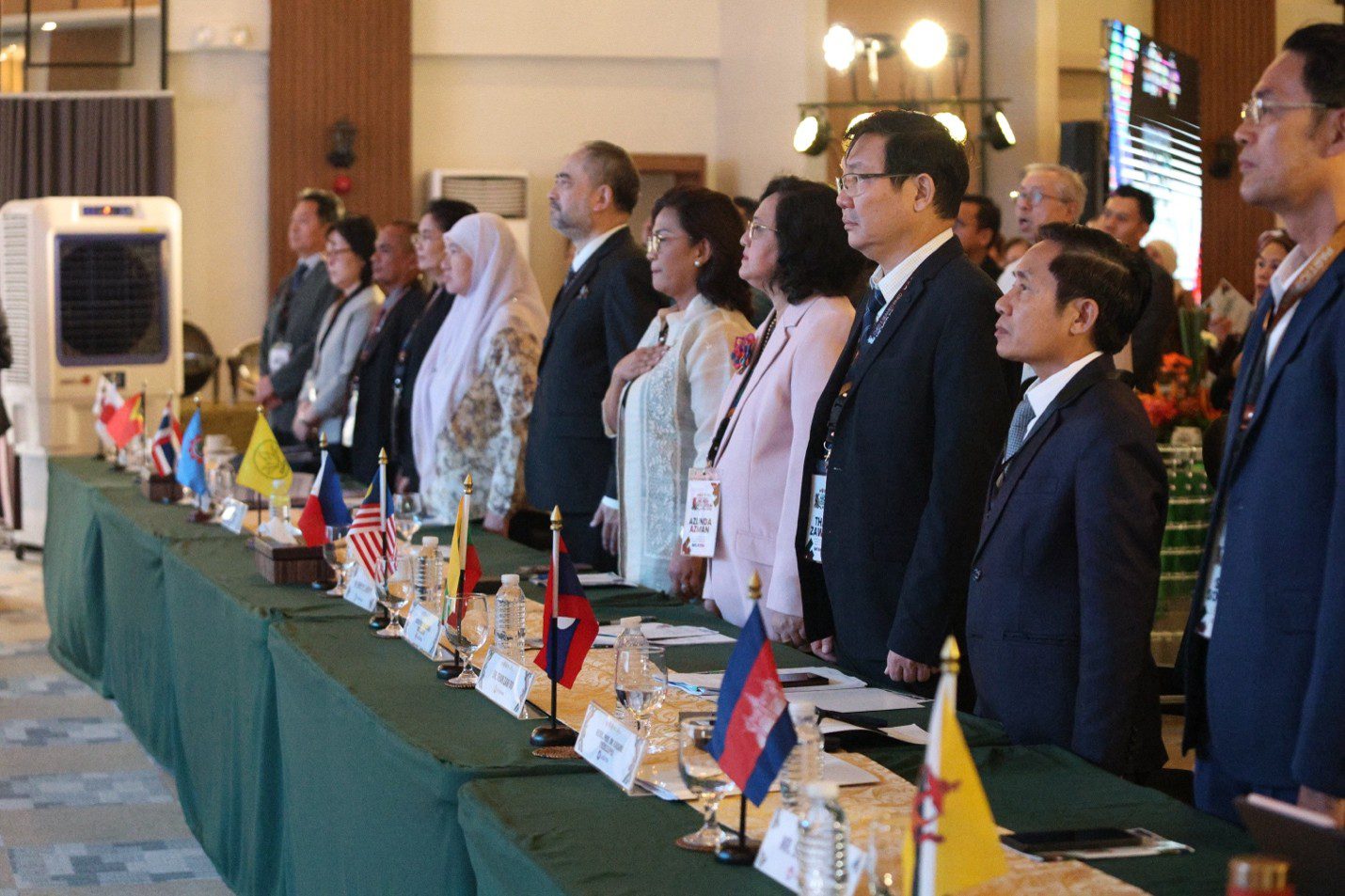
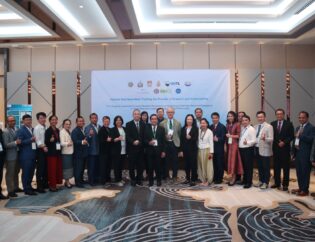
SEAMEO RIHED and the Commission on Higher Education (CHED) of the Philippines jointly organised the CHED x SEAMEO RIHED Higher Education Week 2026 from 13 to 16 October in Iloilo City, Philippines. Bringing together senior government officials, higher education leaders, policymakers and university representatives from across Southeast and East Asia, the week provided an important opportunity to strengthen regional cooperation, exchange perspectives on emerging challenges, and explore new approaches to developing more connected, inclusive and future-ready higher education systems.
The four-day programme brought together three major regional gatherings: the 34th SEAMEO RIHED Governing Board Meeting, the Regional Policy Conference on Future-Ready Higher Education: Leadership, Innovation and Sustainability, and the 20th Annual Review Meeting of the Asian International Mobility for Students (AIMS) Programme.
Together, these events reflected the importance of connecting regional policy dialogue with institutional practices and collective action to advance higher education development.
Strengthening Regional Cooperation
The week commenced on 13 October with the 34th SEAMEO RIHED Governing Board Meeting, hosted by CHED. The annual gathering brought together representatives of SEAMEO Member Countries and the SEAMEO Secretariat to support the Centre's institutional governance and strategic direction in advancing regional higher education cooperation.
Shaping the Future of Higher Education through Regional Policy Dialogue
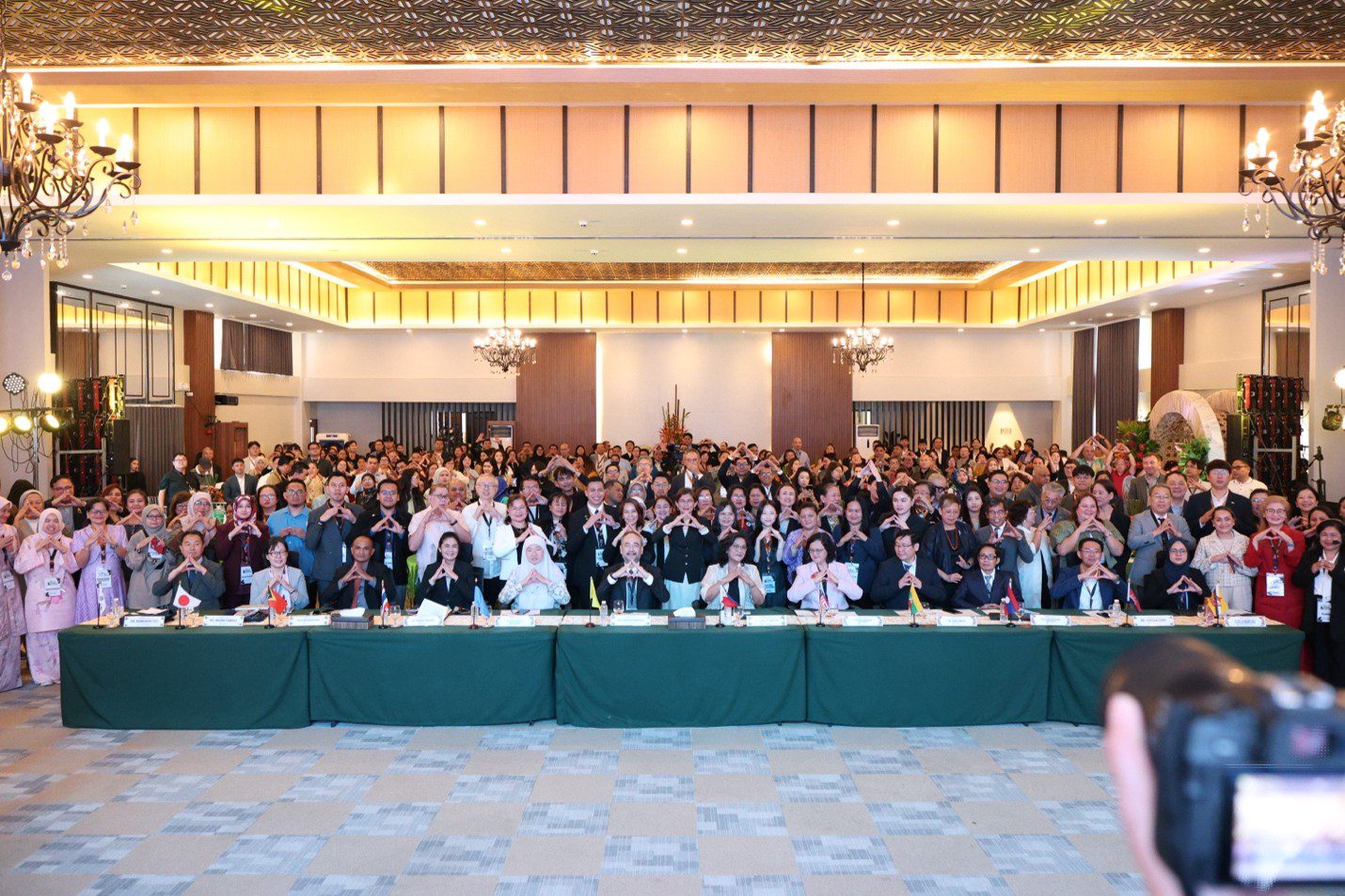
On 14 October, the Regional Policy Conference on Future-Ready Higher Education: Leadership, Innovation and Sustainability convened government representatives, university leaders, regional organisations and higher education stakeholders to consider how higher education systems can respond to technological change, evolving societal needs and emerging development challenges.
The conference examined the roles of leadership, innovation and sustainability in enabling higher education institutions to remain responsive, inclusive and relevant in a rapidly changing environment.
Through keynote perspectives, high-level policy dialogue, speaker insights and participatory exchanges, participants explored interconnected priorities, including digital transformation and artificial intelligence, future skills, quality, student mobility, internationalisation and intercultural learning.
A distinctive feature of the conference was its emphasis on active participation and collective reflection. Interactive discussions brought together perspectives from different national and institutional contexts, encouraging participants to identify shared challenges, consider practical responses and reflect on opportunities for stronger regional cooperation.
The conference also marked the introduction of RIHED Policy Insights, a new regional platform of SEAMEO RIHED designed to make higher education policy knowledge more accessible, relevant and useful, while supporting continued exchange and engagement among the region's policy community.
Advancing Student Mobility through the 20th AIMS Annual Review Meeting
From 15 to 16 October, the 20th Annual Review Meeting of the Asian International Mobility for Students (AIMS) Programme brought together representatives of participating governments, universities and the wider AIMS community to review progress and strengthen cooperation in student mobility and regional talent development.
Coordinated by the SEAMEO RIHED AIMS Secretariat and hosted by CHED, the meeting provided an opportunity for AIMS stakeholders to exchange experiences, reflect on programme implementation and explore ways to strengthen the quality, relevance and impact of international student mobility.
Building on the AIMS Strategic Framework 2026–2028, known as the Bacolod Strategy, the meeting highlighted the Programme's continued evolution beyond student exchanges towards a broader regional platform for talent development, intercultural learning and unique competences.
A key feature of the 20th Annual Review Meeting was the introduction of Learning in Action, a new participatory initiative designed to bring the Unique Competences of AIMS into practice through experiential learning, interaction and the exchange of institutional experiences.

Moving beyond conventional presentations, Learning in Action invited participants to explore higher education opportunities from the perspectives of different stakeholders, including government, industry and parents. Through role-based activities and interactive exchanges, participants reflected on how universities communicate their distinctive strengths, respond to stakeholder expectations and contribute to the development of future-ready graduates.
The initiative represented an important step in translating the Unique Competences of AIMS into meaningful learning experiences, while strengthening the Programme as a collaborative community where participating institutions can learn from one another, exchange good practices and collectively advance the quality and impact of regional student mobility.
The meeting also featured university social responsibility activities hosted by the University of the Philippines Visayas, connecting international participants with local communities, highlighting the wider contributions of higher education to cultural understanding and sustainable development.
Connecting Regional Priorities with Collective Action
CHED x SEAMEO RIHED Higher Education Week 2026 highlighted the importance of connecting regional policy dialogue with practical cooperation to address shared higher education priorities.
SEAMEO RIHED extends its sincere appreciation to the Commission on Higher Education of the Philippines for hosting and co-organising the week, and to all participating governments, universities, speakers and partners for their contributions. Building on the exchanges in Iloilo City, SEAMEO RIHED looks forward to continued collaboration towards a more connected, inclusive and sustainable higher education future.