
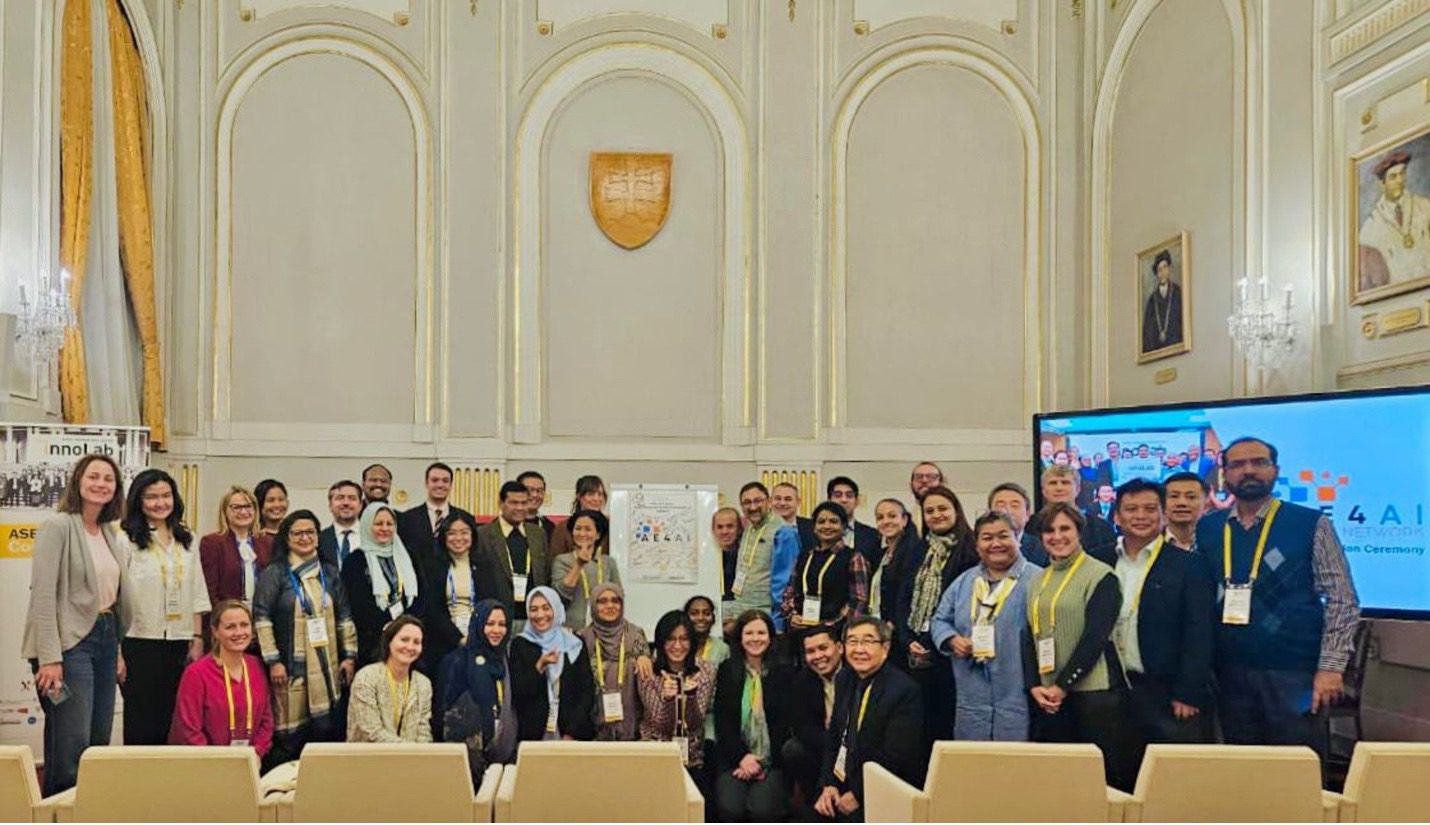
SEAMEO RIHED was honoured to contribute to the ASEFInnoLab6 Conference in Košice, Slovakia on 4-5 December 2025, hosted by the University of Pavol Jozef Šafárik in Košice. As global discussions intensify on the implications of Artificial Intelligence for higher education, SEAMEO RIHED brought a Southeast Asian perspective rooted in ethical governance, regional collaboration, and the evolving needs of lifelong learners.
What began as a week-long programme exploring AI’s role in shaping the future of work, education, and society concluded with a forward-looking dialogue on how higher education institutions can lead in ensuring inclusive, safe, and human-centred AI adoption
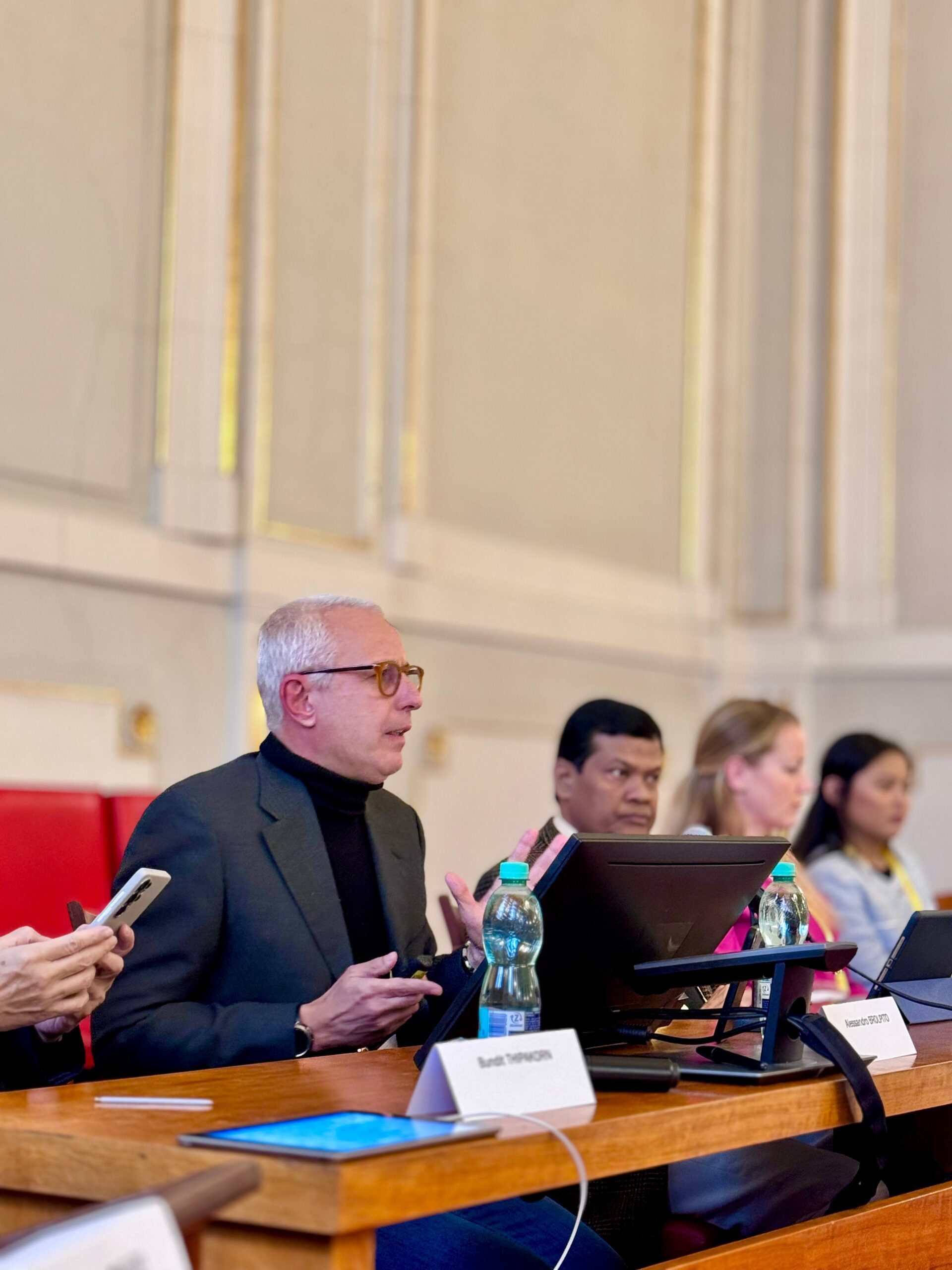
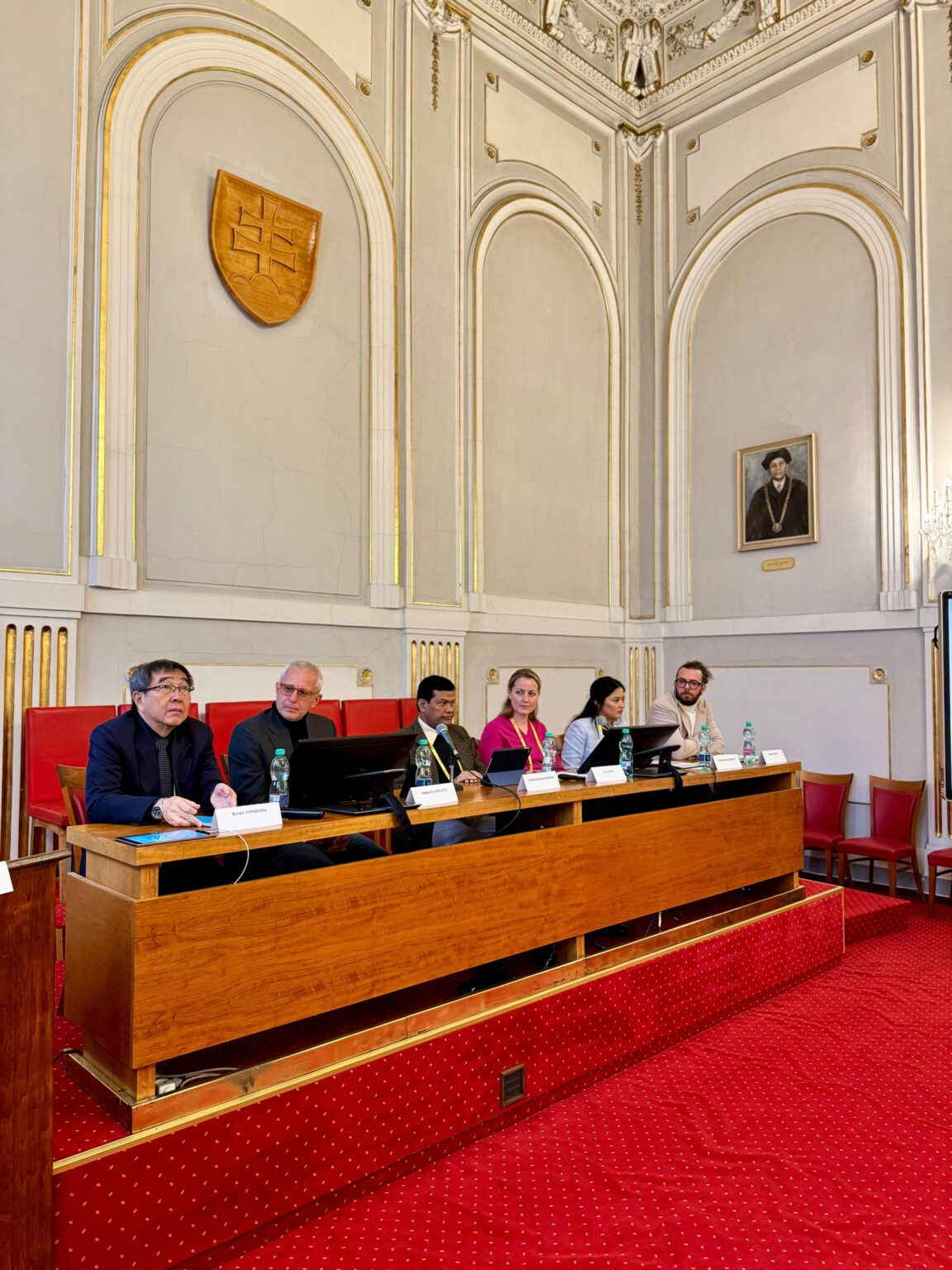
SEAMEO RIHED delivered a presentation on Higher Education for an AI-Enabled Future: Balancing Innovation, Equity and Autonomy amid New Opportunities and Challenges as part of the Expert Group Panel on Digitalisation and AI. Moderated by Ms. Stefanie Engert of DAAD, the panel also featured insights from the ASEM Education Secretariat and the European Training Foundation.
The presentation highlighted SEAMEO RIHED’s emerging strategic direction and emphasised core priorities shaping the region’s long-term approach to AI:
- Strengthening the Enablers of a Harmonised Southeast Asian Higher Education Area
Drawing from RIHED’s Provisional Strategy Map, the presentation framed AI and digitalisation as part of a broader architecture of enablers essential to a cohesive regional higher education ecosystem. These include mobility, quality assurance, recognition, lifelong learning, and digitalisation—areas in which RIHED has worked on through programmes such as AIMS, IQAdvance, AUN-QEx, and collaborations with SEAMEO CELLL.
- Addressing Ethical, Governance, and Learning Challenges
Drawing on research and regional experience, SEAMEO RIHED underscored several emerging risks:
- concerns about the quality of AI-generated knowledge,
- the widening gap between the ability to learn and the ability to think,
- and the challenge of “modernisation without human development,” particularly in rapidly digitising systems.
RIHED reiterated that AI adoption must be accompanied by “intellectual vaccination”—the scaffolding that empowers learners to evaluate, question, and critically engage with knowledge. SEAMEO RIHED aims this to be the crux of their effort, particularly strengthening AI literacy in the region.
In the afternoon, InnoLab participants collaborated on the Košice Manifesto, a collective statement outlining principles for empowering higher education institutions to become stewards of responsible, ethical, and socially grounded AI. SEAMEO RIHED contributed regional perspectives on inclusivity, quality assurance, and learner-centred digitalisation—ensuring that Southeast Asian priorities were reflected in the shared vision.
SEAMEO RIHED extends its warm appreciation to the University of Pavol Jozef Šafárik in Košice for its generous hospitality, the German Academic Exchange Service (DAAD) for its support, ASEM Education Secretariat and the Asia-Europe Foundation for convening this timely and impactful gathering.
As Southeast Asian higher education navigates the fast-evolving landscape of AI, SEAMEO RIHED remains committed to fostering collaboration, strengthening policy ecosystems, and ensuring that innovation remains aligned with ethics, equity, and the long-term well-being of learners and societies.
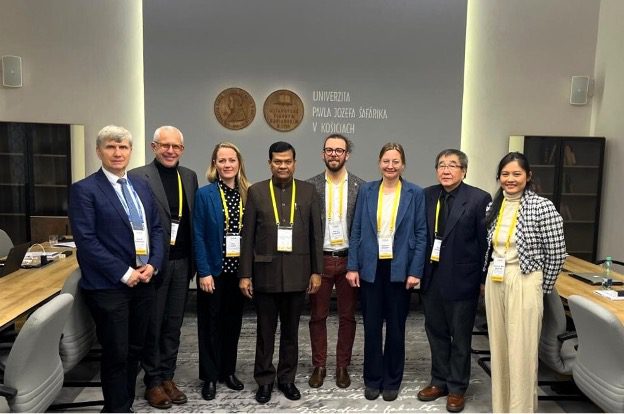
SEAMEO RIHED expresses gratitude to the hosts at UPJS, the German Academic Exchange Service (DAAD), ASEM Education Secretariat and Asia-Europe Foundation for an inspiring week. SEAMEO RIHED remains committed to shaping ethical, inclusive, and future-ready higher education across Southeast Asia.